
[ez-toc]Storm Pixel Escape places players inside changing pixel lanes where timing controls each attempt. At Me777, members follow visible signals while every storm pattern reshapes the safest direction. This guide serves new and returning players, helping them understand rules, actions, and round goals.
How Storm Pixel Escape operates at Me777
Storm Pixel Escape uses a moving grid where hazards appear, shift, and block paths. Each round starts from one marked tile, while the exit remains visible elsewhere. Players must connect safe spaces before the storm closes important lanes.
The interface displays movement choices, and every accepted command changes the character’s position. Timed signals mark danger zones, while calm tiles provide brief movement windows. Results depend on reaching the exit before blocked sections remove every usable route.
Members review stakes in PHP or USD, and selected values apply before play. Storm Pixel Escape keeps a simple objective, although later patterns demand quicker route checks. Accurate reading matters because each visible shift can change the next sensible move.
Core rules that govern every escape round
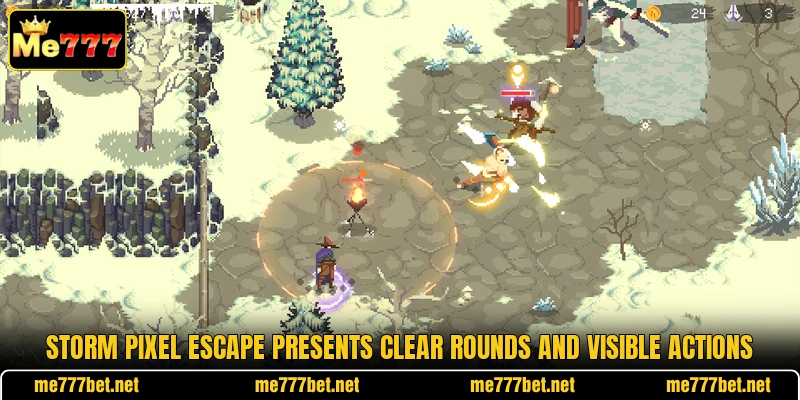
Every round follows fixed movement limits, but storm patterns create different pressure each time. Players should read each signal carefully because one choice may close another opening.
Storm Pixel Escape round entry
Players select an available room, and the chosen stake appears before loading. A starting tile activates, while the exit marker stays fixed across the grid. The first warning arrives quickly, so members must compare nearby paths immediately.
Only open tiles accept movement, and blocked spaces reject commands without changing position. Some lanes remain calm briefly, while others flash before becoming unsafe. These warnings provide useful information, but each decision still requires quick comparison.
A round begins after the first valid move, and the active timer starts. Members cannot reverse locked steps, while open intersections may allow alternate directions. Entry choices matter because narrow starts create fewer recovery options later.
Reading storm movement signals
Storm warnings use repeated patterns, and each signal shows where pressure moves next. Flashing edges mark changing lanes, while stable centers may remain usable longer. Players should compare direction and timing because both details shape the safest response.
A warning may not block a tile immediately, and short delays create passing chances. Members can cross during these windows, but they must leave before closure. Storm Pixel Escape becomes clearer when players watch full cycles instead of isolated flashes.
Patterns may accelerate after several steps, while wider areas split into smaller routes. Each change reduces available space, and delayed choices may remove safe directions. Reading two signals ahead helps players avoid sections offering only one exit.
Collecting safe pixel paths
Safe paths connect open tiles, and every movement must follow permitted directions. Diagonal travel may remain unavailable, while straight routes shorten the distance. Players should confirm links because nearby spaces may not share active connections.
Some paths include checkpoints, and reaching them can preserve progress during changing phases. These points may reveal another grid section, while closed areas remain hidden. Members should favor checkpoints when they support a direct route toward the exit.
Long routes offer more choices, but they expose players to additional storm cycles. Shorter lines reduce movement time, while crowded junctions increase decision pressure. A practical path balances distance and flexibility without adding unnecessary turns.
View more: Turbo Arcade Arena – Fast Rounds With Clear Arcade Action
Completing the final exit
The exit opens after required conditions are met, and its border changes visibly. Players must enter through an active neighbor, while blocked sides cannot complete access. Storm Pixel Escape ends successfully only when the character reaches the marked space.
Late waves narrow the final approach, and remaining openings may change within one cycle. Members should identify two entry sides, while avoiding routes dependent on fragile tiles. This approach reduces failed finishes when the nearest lane closes unexpectedly.
The result screen shows the outcome, and credited amounts appear in PHP or USD. Players can replay the room, while timing patterns may differ on later attempts. Reviewing the final route reveals where extra movement created avoidable pressure.

Practical methods for crafting cleaner round decisions
Strong decisions come from visible details, while random movement wastes limited route windows. Storm Pixel Escape rewards accuracy when members compare timing, distance, and exits before every command.
Track the storm cycle
Players should watch one complete sequence, and its repeated order often reveals timing. Storm Pixel Escape uses changing pressure, but many signals follow readable movement stages. Recognizing these stages helps members enter calm tiles before nearby sections close.
Counting short intervals supports cleaner movement, while guessing creates rushed commands during transitions. Members should focus on two changes because distant forecasts become less reliable. This limited view keeps decisions practical and reduces unnecessary route switching.
A cycle may speed near the exit, and earlier timing cannot guide late choices. Players need fresh observations when the grid changes, while old patterns may mislead. Updating routes after major shifts keeps movement aligned with current conditions.
Choose shorter route windows
Short routes reduce exposure, while direct lanes require fewer decisions under pressure. Players should compare total steps, and they should reject detours without clear value. A compact path leaves more time for reading the final approach.
The nearest opening is not always safest because short lanes may close during entry. Members should check warning stages, while slightly longer calm paths may remain usable. Route length matters when timing and access support the same choice.
Players can pause between commands, and that moment allows another grid check. Deliberate pauses work best at intersections, while straight sections need faster movement. This method keeps routes controlled without turning every step into hesitation.
Use room settings carefully
Room settings show stake ranges, and members should review displayed PHP or USD values. Higher amounts do not change movement rules, while they may change credited results. Players should confirm every selection before loading a new round.
Storm Pixel Escape remains easier when display speed matches the player’s reading pace. Members should use available sound or visual options, while keeping warnings noticeable. Clear settings prevent missed cues during crowded sections and fast closing lanes.
Repeated room play supports pattern recognition, but each grid still requires fresh observation. Players should avoid copying previous routes, while comparing current openings from the start. Flexible reading produces cleaner decisions because storm layouts can shift between rounds.
View more Category: Arcade
Conclusion
Storm Pixel Escape gives players a direct grid challenge where timing, signals, and connected routes matter. Members can access the game through Me777, while checking each stake and room setting before entry. Register, download the app, start a suitable round, and good luck with every escape.